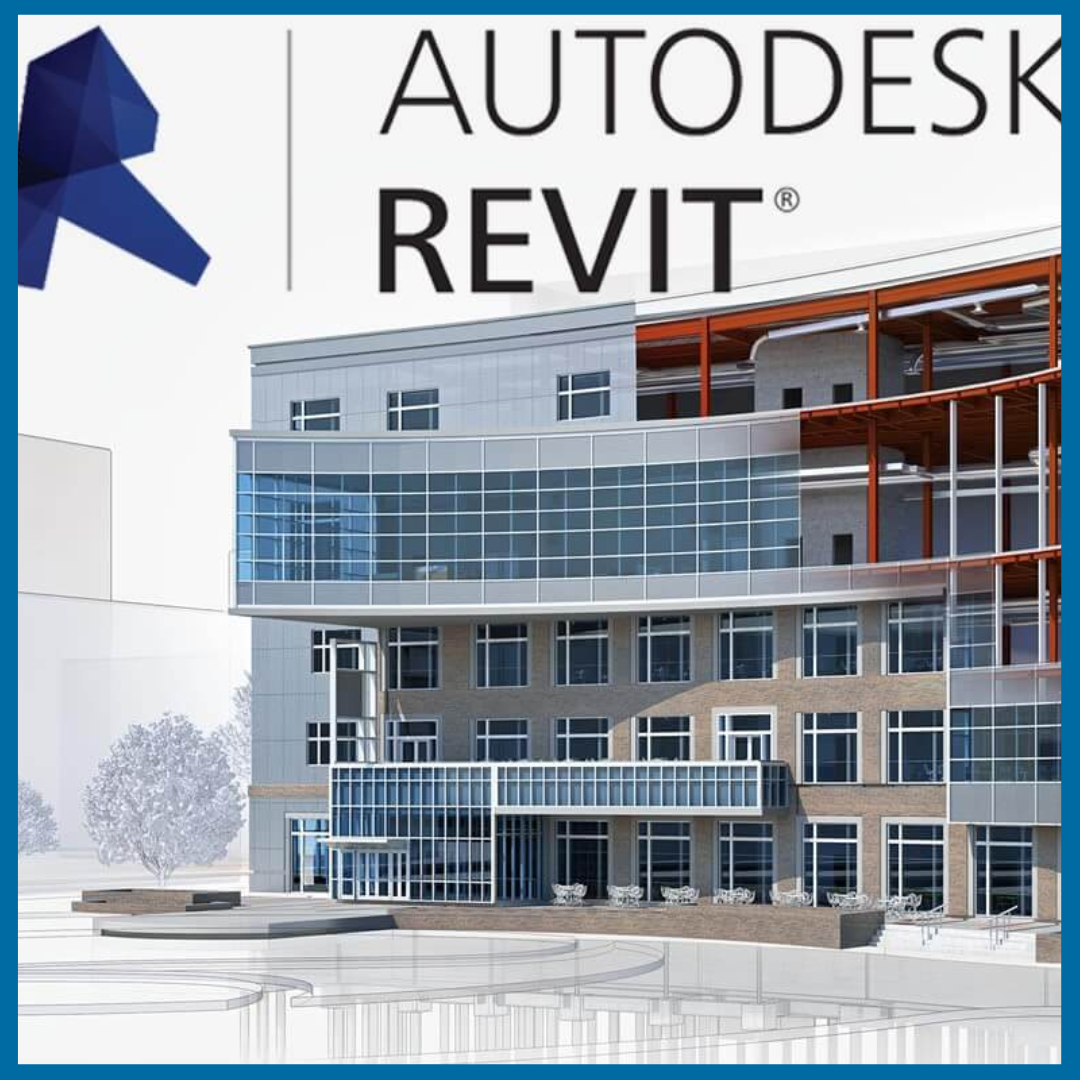
REVIT Architecture for BIM
In the dynamic realm of architecture, engineering,
and construction, where precision and efficiency are paramount, Revit emerges
as a game-changer. This Building Information Modeling (BIM) software has become
synonymous with innovation, reshaping how professionals approach the entire
design and construction process. Let's embark on a journey into the fascinating
world of Revit and explore its transformative impact.
Revit, short for "Revise Instantly," is not just a tool; it's a
comprehensive platform that fosters collaboration, streamlines workflows, and
enhances the quality of designs. Developed by Autodesk, Revit is designed to
empower architects, engineers, and construction professionals by providing a
unified platform for 3D modeling, collaboration, and data-driven
decision-making. The following are some key features of REVIT for BIM.
Building Information Modeling (BIM)
At the core of Revit lies the concept of BIM,
enabling users to create intelligent 3D models that encompass every aspect of a
building project. From geometry to spatial relationships and even cost data,
BIM in Revit is a holistic approach that transcends traditional design methods.
Parametric Components
Revit's parametric modeling capabilities allow
users to create intelligent, adaptable components. This means that changes made
to one part of the model dynamically update all related components, ensuring
consistency and accuracy throughout the design.
Collaboration and Coordination
Revit facilitates seamless collaboration among
multidisciplinary teams. Whether architects, structural engineers, or MEP
(mechanical, electrical, plumbing) professionals, everyone can work
concurrently on a shared model, reducing errors and promoting a unified
understanding of the project.
Data-Driven Decision-Making
Revit is not just about creating visually stunning
designs; it's about leveraging data for informed decision-making. The software
allows users to embed and access a wealth of information within the model, from
material specifications to cost estimates, empowering stakeholders to make
strategic choices throughout the project life.

0 comments