Sustainability and the Quantity Surveyor
The concept of sustainability has emerged as a dominant and crucial influence on the construction industry and related professions since the beginning of the new millennium. Over the past decade, the importance of sustainable practices has grown significantly. A mere ten years ago, sustainability was not a major concern, and even seven years ago, it was often dismissed as a niche interest only relevant to a few environmental enthusiasts. However, in the second decade of the twenty-first century, sustainability has become a vital aspect for construction organizations to maintain their market share, and being recognized as a green construction organization has become essential.
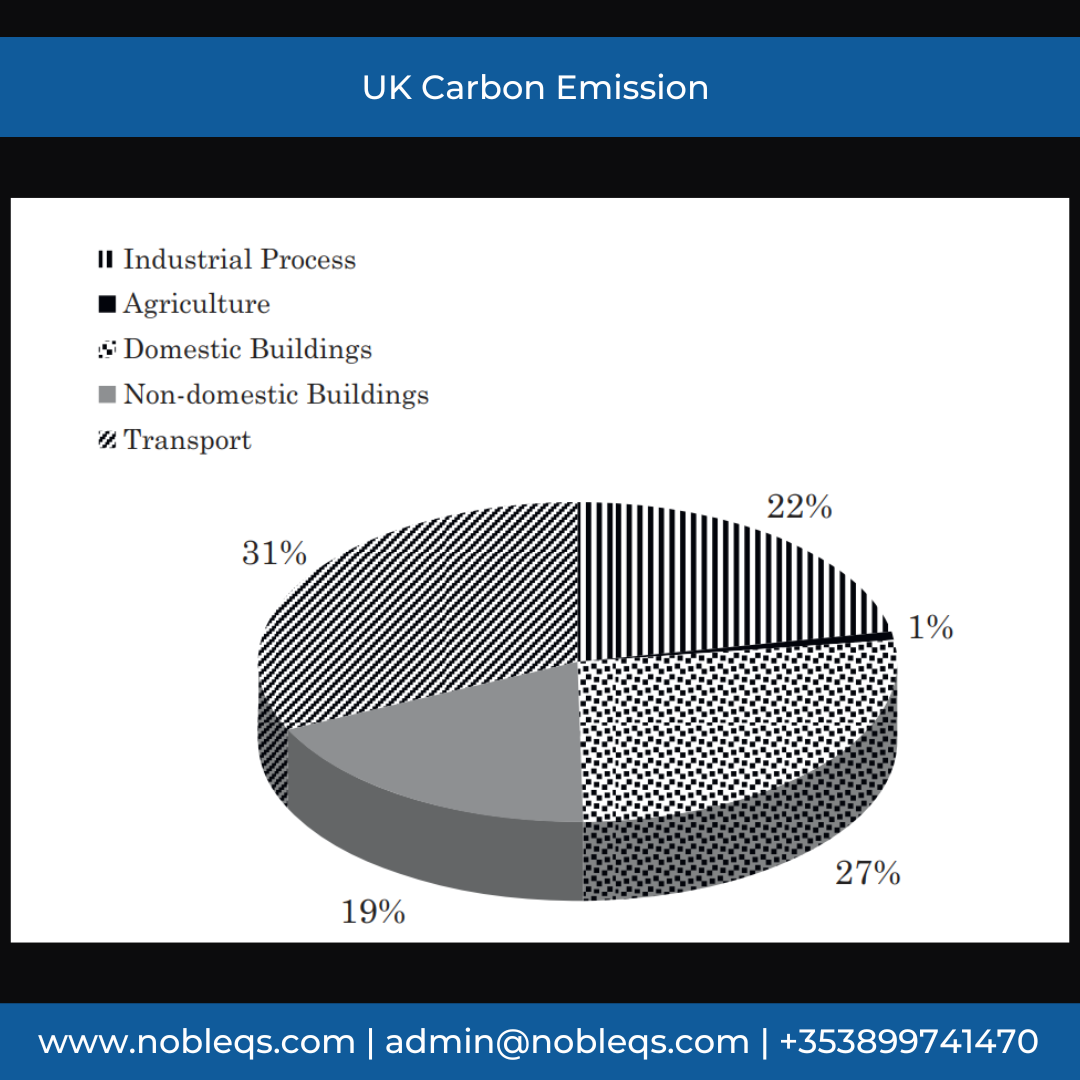
The Stern Review in 2006 presented overwhelming scientific evidence confirming that climate change is a serious and urgent issue, primarily driven by human activities and the emission of greenhouse gases. Among various contributors to carbon emissions in the UK, buildings (both domestic and non-domestic) stand out as accounting for nearly 50% of the total. In response to this concern, both the European Union and the UK governments have placed significant emphasis on measures like Energy Performance Certificates (EPCs) and Display Energy Certificates (DECs) to assess and improve the energy efficiency of buildings. Moreover, the UK has set an ambitious long-term goal of reducing carbon emissions by 60% by the year 2050.
Given the prominence of sustainability, there are numerous definitions and interpretations of the term. As with any trendy concept, different individuals and organizations attempt to contribute their unique definitions, resulting in a lack of a consensus view on its precise meaning. Nevertheless, a practical way to view sustainability is to consider it as encompassing the entire life cycle of sustainable construction activities. This includes how built assets are procured, erected, used, operated, maintained, repaired, modernized, rehabilitated, and eventually reused or demolished and recycled.
As sustainability gains more attention and
becomes an integral part of construction practices, the role of Quantity
Surveyors becomes increasingly important. Quantity Surveyors play a significant
role in cost management, resource allocation, and decision-making throughout
the life cycle of a construction project. Incorporating sustainability considerations
into their work is essential in meeting environmental goals, optimizing
resource usage, and ensuring the long-term viability of construction projects.
From selecting eco-friendly materials to adopting energy-efficient
technologies, Quantity Surveyors can actively contribute to reducing carbon
emissions and promoting sustainable practices in the construction industry.
Their expertise and understanding of project life cycles enable them to
influence sustainable decision-making at various stages, making them invaluable
contributors to the green construction movement.



0 comments