Understanding Class A, B, C, and D Estimates in Construction According to CIQS
The Canadian Institute of Quantity Surveyors (CIQS) outlines four primary classes of estimates—Class A, B, C, and D. Each class serves a distinct purpose and reflects the level of detail and accura...

Subcontractor's obligation - Delay in Specific Scope
In construction projects, delays in subcontracted work can have significant ripple effects on the overall project schedule and costs. A key question that arises is whe...

How Quantity Surveyors Can Stay Ahead with Digital Transformation
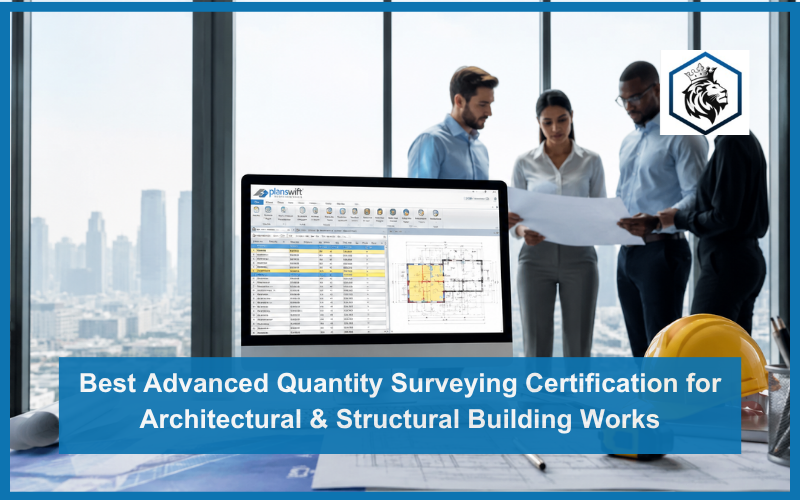
The construction industry is rapidly evolving, and quantity surveyors must adapt to keep up. Digital transformation is changing the way projects are managed, and tools like PlanSwift are now esse...

Why Quantity Surveyors Should Invest in Digital Skills Today?
The construction industry is changing fast, and quantity surveyors who don’t adapt may fall behind. Traditional methods of measurement and cost estimation are being replaced by digital tools that...

Enhancing Accuracy in Quantity Surveying with Digital Tools
Quantity surveying requires precision. Every number matters, and even a small error can lead to big problems in a project. This is why digital tools are becoming so important in the quantity surv...

Failure to Pass Tests on Completion: Understanding the Engineer's Choices
In construction projects, especially those governed by the FIDIC (International Federation of Consulting Engineers)...

The Growing Demand for Tech-Savvy Quantity Surveyors
The construction industry is changing fast, and technology is playing a big role in that change. Quantity surveyors who know how to use digital tools are in high dem...

The Impact of AI on Quantity Surveying
Technology is changing the way quantity surveyors work, and artificial intelligence (AI) is playing a big role in this transformation. AI is helping quantity surveyors complete tasks faster and m...


Why Digital Takeoff Tools Are a Must-Have for Quantity Surveyors
In the past, Quantity Surveyors relied on manual methods to measure and estimate materials, which was slow and prone to errors. Today, digital takeoff tools have changed the gam...